How the Mockery of Enemies Became a Hymn of Victory
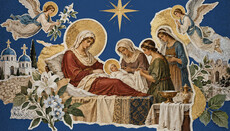
Glorifying the righteous Joachim and Anna, we tend to think their life flowed in a relatively measured, pious, and dignified manner. We are accustomed to imagining holy people as angels in the flesh, who never doubted, never wept from hurt, and never clenched their fists in helplessness.
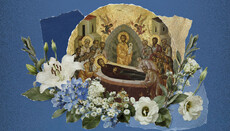
The real life of these people was bursting at the seams under the blows of public opinion. The story of their family begins with sharp pain, public humiliation, and the deep loneliness familiar to many of us.
The Manuscript the Church Ignored
A remarkable thing: the foundation of the feast of the Nativity of the Most Holy Theotokos is built upon a text that church tradition never included among the canonical books of the New Testament. The storyline about elderly parents, bitter tears, a temple scandal, and fasting in the wilderness is taken from an ancient work known as the "Protoevangelium of James."
This book was written in the second century. It was later included in ancient lists of books rejected for public reading during worship services. Strict theologians of that era feared heretical distortions, and so they separated this text from the canonical Gospels.
And yet, believing Christians preserved the memory of the details of this drama. The church community sensed in this oral tradition the authentic breath of the Gospel story. In the end, the Church included this feast in the liturgical calendar, making the event of the Nativity of the Mother of God the starting point of the annual cycle of worship.
The Verdict at the Temple Threshold
To understand the scale of the drama, one must delve into the traditions of ancient Israel. Childlessness in that era was not perceived merely as a personal grief of the spouses. Society read it as an unconditional sign of the Almighty's wrath for a secret sin. Joachim and Anna bore the stigma of rejection every day of their life together.
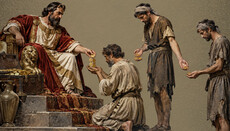
The culmination of public contempt overtook Joachim at the most solemn moment of the religious year. He came to the temple with gifts, wishing to offer a sacrifice for his lineage. But his path was blocked by a certain Reuben. A priest or temple guardian declared monstrous words before a great crowd of people: gifts cannot be accepted from a man who has left no offspring to Israel.
Such was the public verdict, delivered before the eyes of neighbors, relatives of the married couple, and random passersby. Joachim's offering was rejected demonstratively. The doors of the temple slammed shut before the face of the righteous man.
Joachim's reaction was far from humble acceptance. He did not wish to bear the mark of the accursed. He returned home, opened the genealogical scrolls of the twelve tribes of his people, and began carefully reading through the names of his ancestors, trying to find an answer to the question: was he truly the only sinner on earth to have broken the thread of spiritual continuity? Finding no consolation in the archives, he chose to flee far from people.
The Triumphant Cry of Liberated Pain
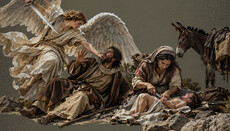
The departure of the elderly man into the wilderness resembles a gesture of extreme despair crossing into a spiritual ultimatum. He pitched a tent there and made a strict vow: to taste no food until the Creator heard his cry. Prayer replaced water and bread for him.
Meanwhile, at home, a mirror tragedy of the righteous Anna was unfolding, as she mourned her husband and her own barrenness. The pressure of society reached its peak, turning daily existence into a torment. But it is precisely at this point of the collapse of human hopes that the turning point of the entire story occurs.
When the angel announces the imminent birth of a child, Anna utters remarkable words. She calls the ordeal she endured "the reproach of enemies." The text of the ancient tradition calls things by their proper names.
The meeting of the spouses at the Golden Gate of Jerusalem is filled with living trembling. Anna rushes to her husband with words that she is no longer a widow and no longer barren.
In antiquity, a barren marriage was equated with social death. And victory over this death seemed incredible.
The story of the parents of the Most Holy Theotokos reminds us that God breaks into the lives of those who refuse to wear labels imposed by others, who cry out about their pain and are not afraid to ask God the most uncomfortable questions. The family drama of the righteous Joachim and Anna confirms once again that human contempt ends where the secret action of God's grace begins, changing the course of history.